Navigating Romance in Post-Colonialism: Finding Love When the World Is Unsteady
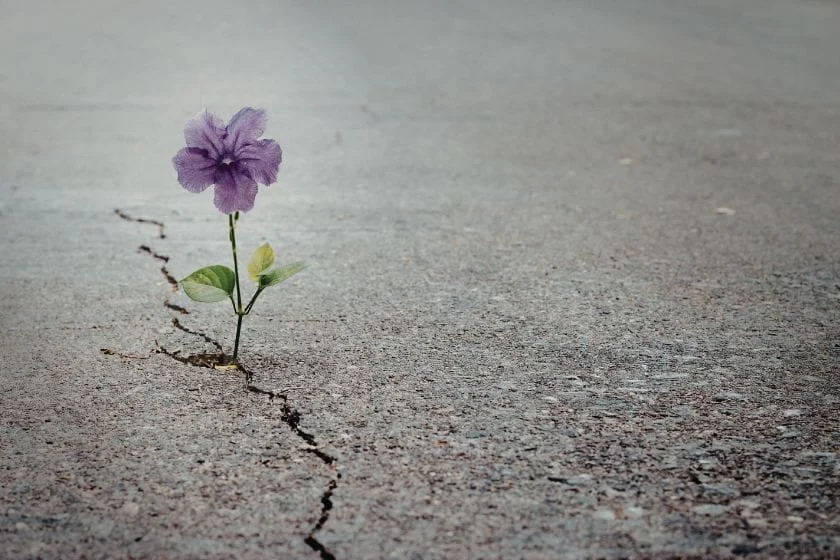
As the world becomes increasingly unstable — politically, economically, and relationally — the desire for solace, connection, and safety grows stronger. With February here and love in the air, Valentine’s Day invites reflection on intimacy and belonging. In these times, especially for intersectional sensitive people, this season often stirs deeper questions about how love can exist within such an objectively hostile environment.
Questions like “When will I meet my person or people?” or “What am I doing wrong?” tend to surface.
In moments like these, the path toward love becomes less about pursuing connection according to society’s expectations and more about understanding who you truly are — your nervous system, lived history, and inner world.
“Why does finding love feel so hard right now — and what am I supposed to be doing differently?”
Turning Inward: The Foundation of Healthy Connection
Before meaningful partnership can take shape, many of us are called to build a healthier relationship with ourselves. Our earliest experiences — particularly how we were parented, whether trauma occurred, and the societal biases we internalized — shape how we view ourselves and how we bond with others. These early relational patterns influence our attachment styles, whether we lean toward anxiety, avoidance, a combination of both, or relative security.
For those who grew up navigating instability, neglect, or emotional inconsistency, intimacy can activate deep fears around abandonment, vulnerability, or rejection. This does not mean you are incapable of love. Rather, it reflects how affection, safety, or regard were modeled — or withheld — during formative years.
Healing begins by cultivating a relationship with yourself that is rooted in compassion, curiosity, and safety. As you reconnect with your higher self, you gain access to a form of unconditional love that is not dependent on another’s acceptance. This inner connection creates space to gently rework attachment patterns and develop healthier ways of relating — both to others and to your own sense of personhood.

Identity Development: Remembering Who You Are
For many sensitive and intersectional individuals, identity development is an essential part of preparing for love. Trauma, systemic oppression, and cultural conditioning often teach us to prioritize others’ comfort over our own authenticity. Over time, this can lead to disconnection from desire, boundaries, and self-trust.
Exploring identity — including sexuality, gender expression, and relational needs — is not indulgent; it is restorative. For those within the LGBTQIA+ community, or for anyone whose sexual expression was restricted, shamed, or unsafe, this exploration can be particularly healing.
As you clarify who you are and what you need, relationships shift from spaces of proving worth to spaces of mutual resonance. Identity development allows you to show up in integrity with your unique energy, articulate your needs clearly, and recognize when a connection aligns — or does not align — with your values.
Learning to Date with Integrity
As inner work and identity awareness take root, the external world of dating often comes into focus. Many of us were never taught how to date in a healthy, grounded way. Instead, we absorbed cultural messages that equate attraction with urgency, impulsivity, or insecurity.
Dating with integrity is not about superficial performance, external validation, or bypassing deeper emotional needs. It is about discernment — presenting yourself honestly, listening to your body, and following your heart in a grounded, regulated way. Learning to set boundaries, communicate clearly, and assess compatibility through a nervous-system lens can transform dating from an overwhelming experience into an opportunity for growth and self-alignment.
Timing, Readiness, and the Myth of Being “Behind”
One of the most painful cultural myths surrounding love is the belief in a universal timeline. In reality, readiness is deeply personal and guided by the higher self. Each of us carries different life tasks — emotional, physical, relational, or spiritual — that shape when we are truly open to partnership.
Some people need time to stabilize their health, finances, or emotional world. Others may need community, creative expression, or deeper self-understanding before romantic connection feels supportive rather than destabilizing.
As we tend to our soul goals, loneliness is softened by the more grounded experience of fulfillment. Wholeness generates resonance — and resonance naturally draws others toward us. This is often when we become most capable of accepting, giving, and sustaining love in ways that feel aligned and nourishing.
Finding Love in a World That’s Changing
In these post-colonial times of upheaval — where productivity, appearance, and conformity are often prioritized over authenticity — it is no surprise that love can feel evasive, constrained, or performative.
If you are feeling especially tender this Valentine’s season amid heightened collective stress, know this: your emotional needs are valid. Just as joy can exist within turbulence, love rooted in self-knowledge, nervous-system regulation, and authenticity is an act of resistance. It carries the power to heal not only individuals and families, but communities — and, ultimately, the world we are co-creating together.

Support for Your Relationship With Love
If you would like support navigating love and connection within this complex socio-political landscape — regardless of your relationship structure or love style — I am here to walk alongside you.
You’re invited to explore: